
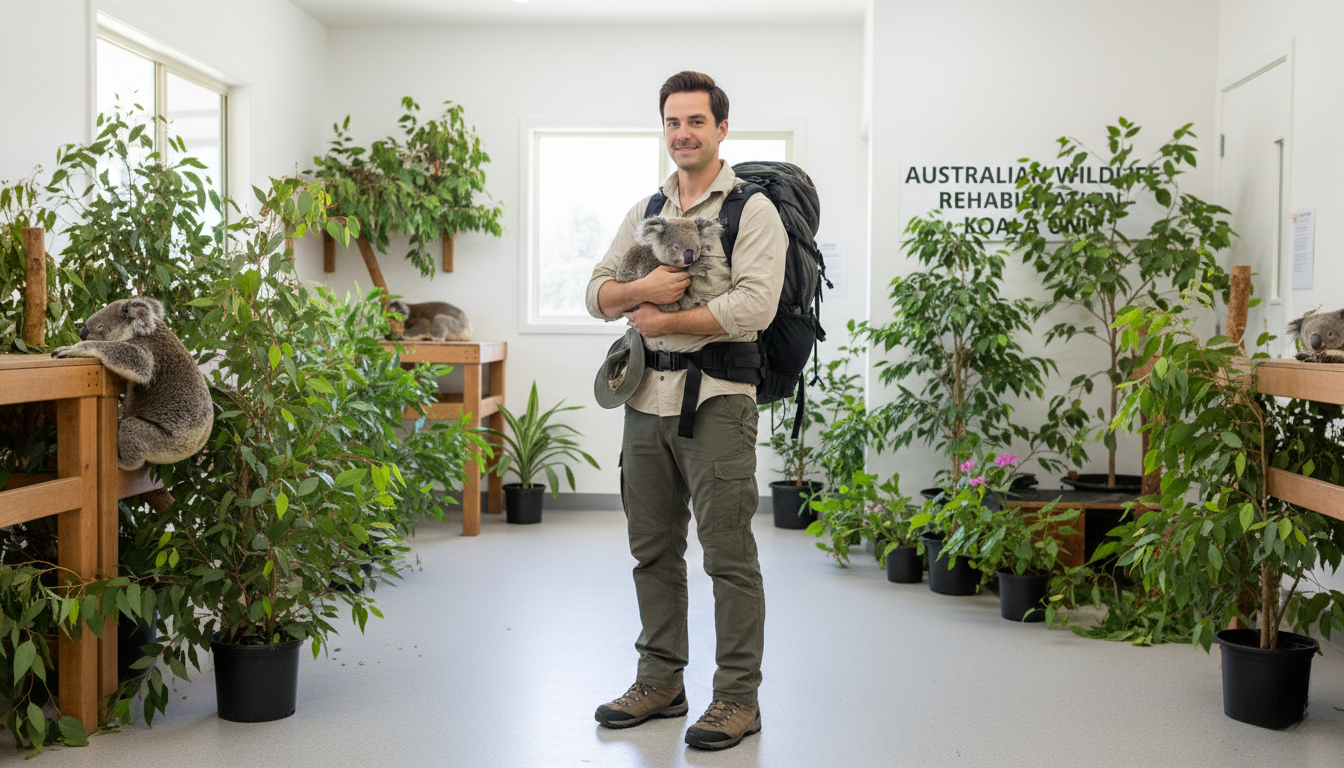
The Australian bushfire season isn’t just another line in a weather report. It’s a disaster in the cradle of one of the world’s most iconic creatures. The koala. Once the cuddly mascot of eucalyptus-scented Australia, these tree-climbing marsupials are now symbols of climate chaos and human neglect. The bushfires that swept across the continent have torn through habitat and flesh alike, leaving wildlife rehab centers scrambling and a population teetering on the brink.
In the fires of 2019 and 2020, the Black Summer, at least sixty-one thousand koalas were estimated killed injured or severely impacted by flames and smoke. WWF-Australia’s report on the crisis calculated that more than sixty thousand koalas were either dead or directly harmed as the blazes chewed through forests. The impact was global in scale. About 143 million mammals were in the path of those fires with nearly 2.5 billion reptiles and hundreds of millions of birds and frogs affected.
This is not ancient history. The fires scar the memory of every wildlife carer who ever held a burning koala like a distorted teddy bear. In New South Wales bushfire damage obliterated roughly twenty-two percent of the state’s best koala habitat, wiping out areas that once sang with leaves and critters.
But bushfires are just one piece of this tragedy. Habitat loss and fragmentation are still rampant. Conservationists say nearly two million hectares of forest suitable for endangered koalas have been bulldozed in Queensland and New South Wales over the past decade, mostly for agriculture and infrastructure. The environmental legislation meant to protect these creatures has barely slowed the chainsaws.
The crisis isn’t just about numbers on a chart. It’s about joeys without mothers, about scorched gum trees that once fed generations, about wildlife veterinarians working around the clock in rehab centers. Australia’s wildlife hospitals are not quaint zoos. They’re frontline triage rooms where burnt fur meets disinfectant and desperation. Teams rescue shock-wired animals, patch up burns, drip-feed water into dehydrated flanks, and fight off the infections that follow intense trauma.
Aid workers speak in terms of survival odds. Koalas rescued from scorched forests are weakened by smoke inhalation heat stress and dehydration before they even reach the clinic. Many require weeks of care for littered ailments. Singed paws stressed metabolisms and blank stares that know something once familiar is gone.
But there are solutions and they aren’t magic. Rehabilitation centers are one line of defense, stitching life back together one marsupial at a time, but they are strained and unsupported like many wild combat units. What the crisis really demands are more systemic solutions.
One of the boldest plans on the table is WWF-Australia’s “Koalas Forever” initiative. It aims to double koala numbers on the east coast by 2050, a timeline that feels like a reluctant concession to pragmatism. The plan includes novel tools like seed-dispersing drones to plant eucalyptus trees, the koalas’ staple diet, at a scale humans could never match by hand. These drones can rain tens of thousands of seeds over cleared lands, stitching back corridors of forest that allow animals to move safely across fragmented terrain.
There are also breakthroughs in wildlife health. Australia has just approved a vaccine to protect koalas from chlamydia, a disease that contributed to infertility and death in wild populations. Tests show the vaccine reduces symptoms by at least sixty-five percent in treated animals. This isn’t a panacea but it cuts down one of the many knives in a koala’s back.
Yet habitat is the heart of this struggle. Without protected trees there is no dinner, no shelter, no next generation. Conservation advocates are pushing for stronger laws to preserve forests and rebuild corridors of green. Savers of the species call for landscape-level planning, not incremental patches of refuge. These corridors are essential because a tree here or there is not a home. Continuity is life.
Climate change, development and fire seasons longer and hotter than before will not vanish overnight. But listening to vets at midnight, witnessing seed drones rise over black soil, and planting trees with bare hands. These are the small rebellions against extinction. If Australia meaningfully protects habitat pairs that with vaccination and rehabilitation then koalas might not just survive but thrive in the century to come. It would take grit and money and human will. That is the real measure of survival.
Written By: Marc Ford, Travel Guide